CSDI News
Backed by CSDI Infrastructure; Iran Energy Exchange Launches Renewable Energy Certificate (REC) Market at KishINVEX 2025
CSDI supports IEE's new financial instrument Renewable Energy Certificate (REC) to enhance the country’s sustainable-investment ecosystem.
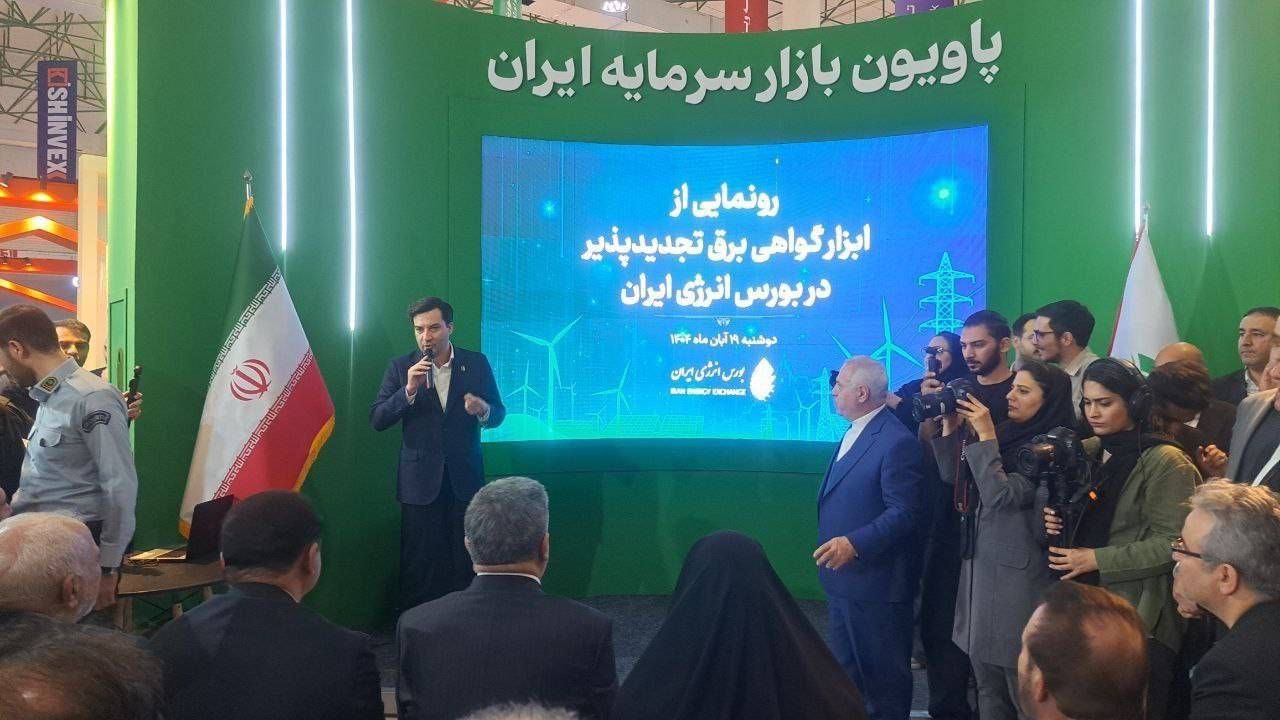
In a major development for Iran’s clean-energy and financial sectors, the Iran Energy Exchange (IEE) has officially launched its Renewable Energy Certificate (REC) instrument during the 12th International Exhibition of Exchange, Banking, Insurance, Privatization, and Investment Opportunities - KishINVEX 2025.
The unveiling took place on the Persian Gulf island of Kish with Head of the Securities and Exchange Organization, Hojjatollah Seydi, senior economic officials and key stakeholders across the capital markets in attendance. Mohammad Nazifi, CEO of the Iran Energy Exchange, introduced the REC as a new financial tool designed to support renewable-energy growth and enhance the country’s sustainable-investment ecosystem.
First REC Instrument in Islamic Capital Markets
According to Iran Energy Exchange the Renewable Energy Certificate is the first of its kind to be launched within Islamic capital markets. Structured as a tradable security, each REC represents a specific quantity of electricity generated by a renewable-energy power plant.
Consumers and organizations, whether legally obligated or voluntarily committed to clean-energy sourcing, can now meet their renewable-electricity requirements through the purchase of RECs on the Iran Energy Exchange.
CSDI’s Role: Collateral Management & Settlement
A critical component of the REC initiative is the involvement of the Central Securities Depository of Iran (CSDI), which plays a foundational role in ensuring the certificates’ reliability and financial integrity.
CSDI is responsible for:
- Collateral management; A risk-mitigation mechanism to protect buyers and the market in case a power plant fails to deliver its committed energy-saving performance or renewable-energy output.
- Centralized custody and registration: Keeping secure ownership records for all RECs issued and traded while maintaining an auditable record for compliance and reporting.
- Settlement of REC transactions; Verifying the buyer’s payment obligations and the seller’s commitment to deliver the renewable-energy output.
This infrastructure support helps reduce transaction risks, promotes users' confidence, and integrates RECs more effectively into the broader capital market.
Strengthening Renewable-Energy Investment
The introduction of REC trading is expected to unlock new economic opportunities and attract private-sector investment into renewable power projects.
Notable benefits include:
- Improving financial feasibility for constructing renewable power plants
- Supporting supply-demand balance by encouraging expansion of clean-energy generation
- Facilitating smoother financial flows for power producers
- Preventing the accumulation of government arrears owed to renewable-energy developers
With a transparent marketplace and robust post-trade infrastructure supported by CSDI, the REC system aims to enhance overall market efficiency and promote long-term growth in Iran’s renewable-energy sector.
A Strategic Step Toward Clean-Energy Market Development
The REC launch highlights Iran Energy Exchange’s commitment to financial innovation, sustainable development, and strengthening the role of the private sector in securing stable, clean power.
The unveiling ceremony was held shortly after the official opening of KishINVEX 2025 on November 19, attended by policymakers, industry leaders, and investors at the Capital Market Pavilion. The initiative drew substantial attention from renewable-energy stakeholders and capital-market participants nationwide.
Release Date: 11/17/2025